Mantis Space
Advanced energy startup working on the development of the first power grid in space.
Highlights
Planet Ventures Investment Details
At the beginning of the automotive revolution, if you wanted to take a trip you had to bring ALL the fuel you needed, there were no gas stations. The “invention” of the gas station was a disruptive technology. It changed the way cars were designed and opened massive opportunities in how they could be used. A major factor that turned the automobile from a toy for the wealthy to an indispensable economic driver of the 21st Century. There are no gas stations in space…but what if there were?
Founded
2025
Headquarters
Albuquerque, New Mexico
Focus
Orbital Power Infrastructure
Orbital power
Power the Orbit
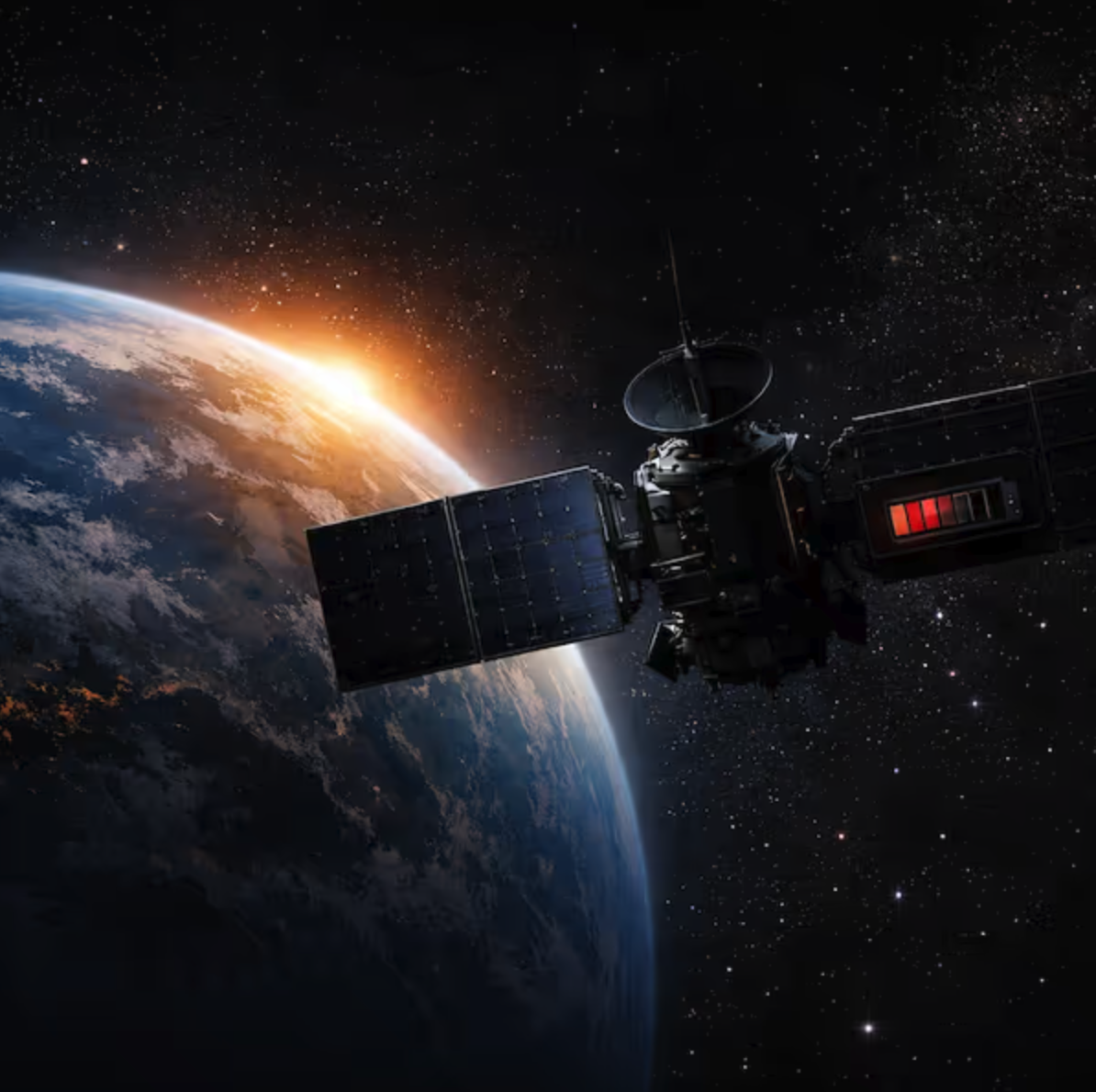
Mantis Space is tackling one of the foundational challenges in the emerging space sector, building the first energy grid in space.
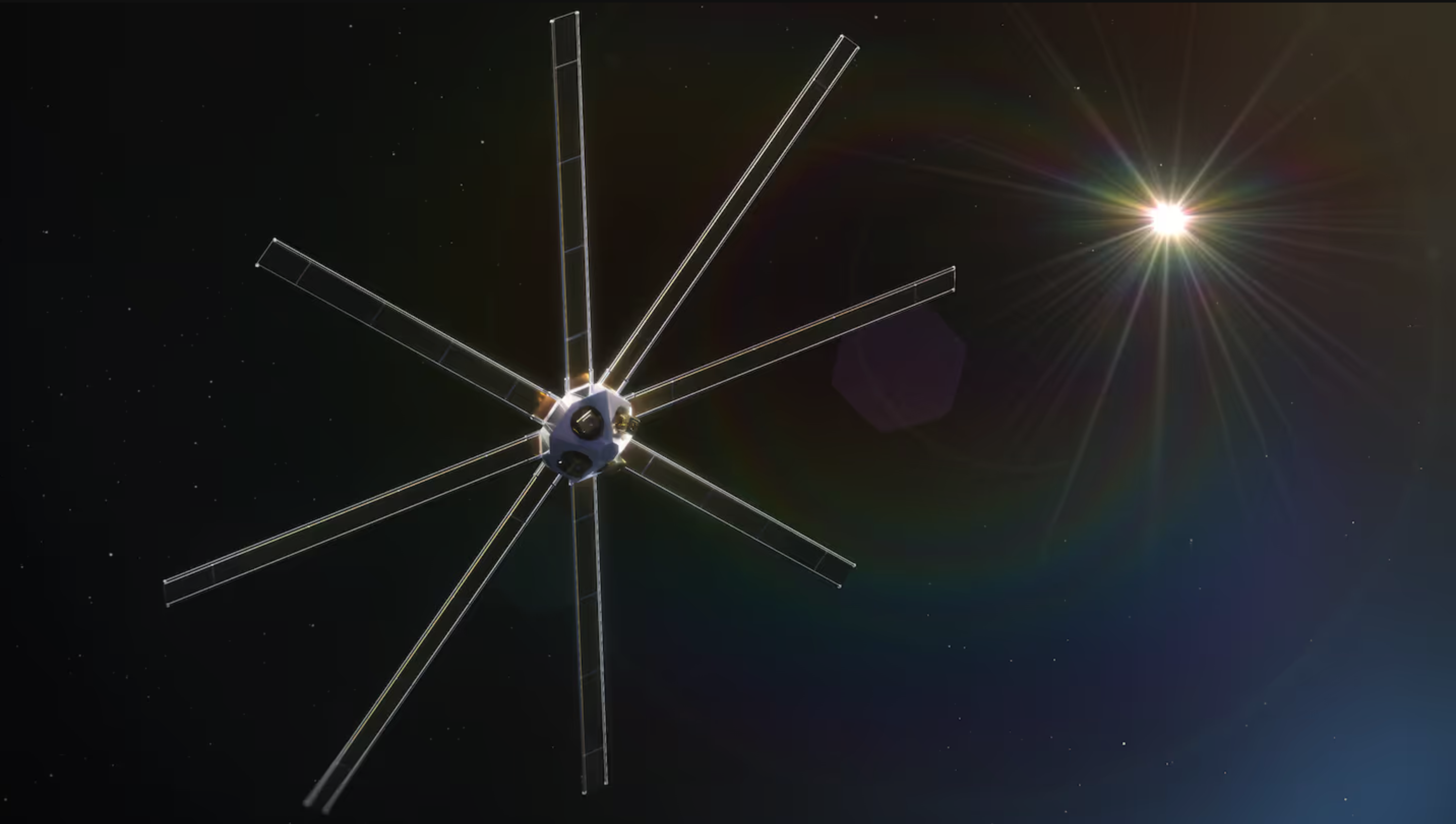
A scalable satellite constellation that is optimized for constant solar energy collection and redistribution through its proprietary technologies.
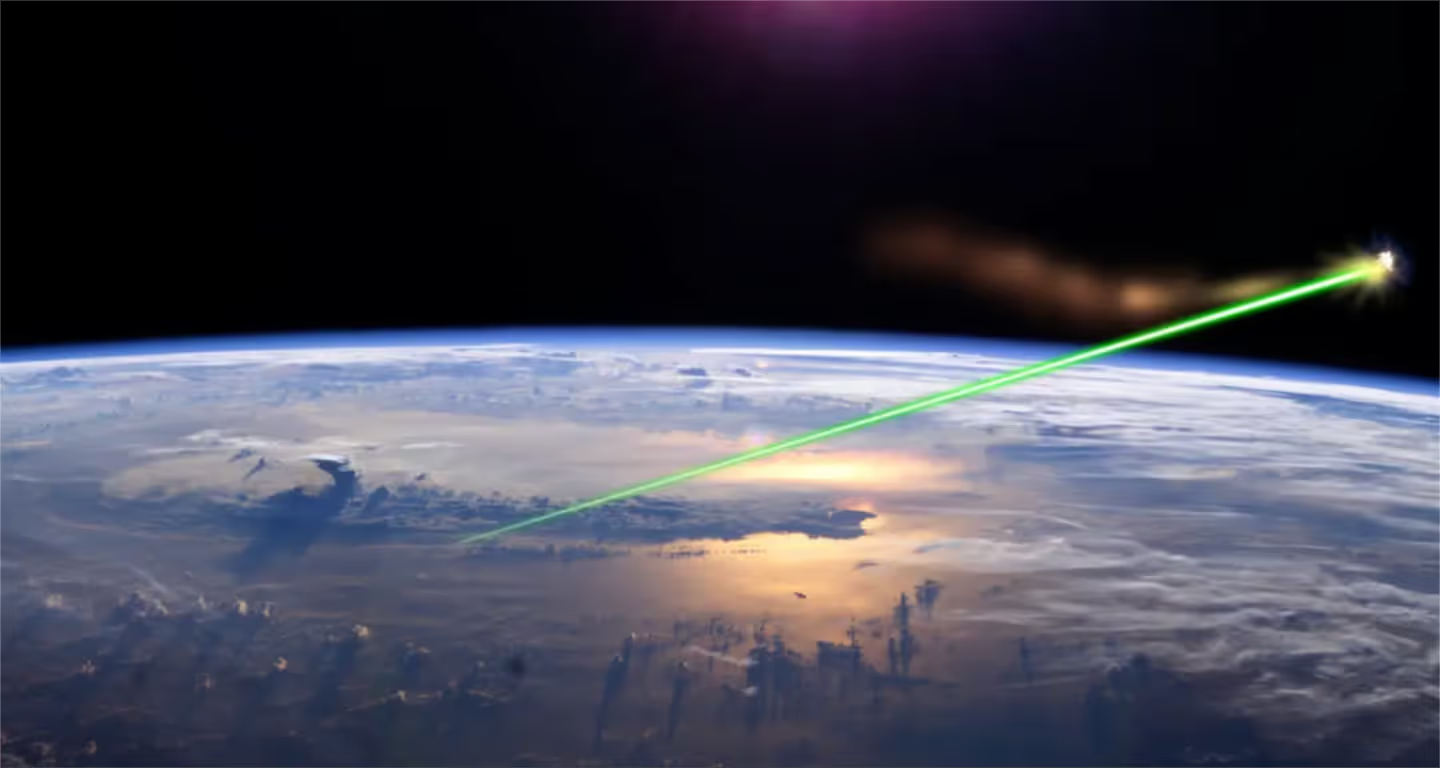
Think ‘wireless charging‘ but for satellites and moon bases.
Consistent power in space will revolutionize the way satellites are built and orbital missions are designed. Today every satellite must carry bulky solar panels and heavy batteries with them for the entirety of their mission. A satellite designed to utilize their laser energy system will be less complex, lower weight, smaller size, and ultimately substantially less expensive.
The system opens opportunities far beyond the physical satellites – right now hundreds of satellites have orbits that are extremely inefficient. Forced into polar orbits so they can collect sunlight instead of orbits optimized for their specific mission, satellites can spend as much as 70% of their time away from their intended target just to collect energy. Allowing these multi-hundred-million-dollar missions to focus 100% of their time on their target is a massive untapped market.[1]
The Mantis Space Orbital Power Utility will drive down the cost of space exploration and industry, which will expand the market and ultimately open orbital opportunities that will power humanity’s future.
Developments
Orbital Power Grid:
A New segment within the Space Industry
- Satellite Servicing Market: estimated ~$3.0B in 2024 growing to ~$7.1B by 2033[1]
Recent Developments
- Mantis Space will receive a $2.5 million LEDA award from the State of New Mexico and $500,000 from the city of Albuquerque[3]
- Headquarters in Albuquerque, New Mexico. Expected to create 200 high skilled jobs and generate USD $480m in economic impact for city of Albuquerque[3]
Team
The people behind Mantis Space
CEO & Co-Founder
Eric Truitt
Has been involved in multiple successful previous business sales:
- Co-founded PredaSAR which was a subsidiary of Terran Orbital. October 2025 Lockheed Martin purchased Terran Orbital for USD $450M
- SVP of Space Business Unit at BlueHalo, which was acquired in an all stock deal by AeroVironment at a $4.1B valuation
Chief Engineer
John Sandusky, Ph.D.
(NASA, Sandia National Laboratories)
Director of Electrical Engineering
Quentin Diduck, Ph.D.
(Google, Eridan)
Director of Metrology
Brent Bergner, Ph.D.
(Peak Metrology, Mahr Metrology)
Director of Optical Engineering
Greg Brady, Ph.D.
(Space Telescope Science Institute, Apple)
Director of Mechanical Engineering
Kevin Sawyer, Ph.D.
(Lockheed Martin, Apple)
Stay Informed on the latest updates
Dive deeper into the company's operations, technology, and market opportunity